Academic-based, reliable orthopedic approaches for musculoskeletal disorders
From diagnosis to treatment: clear information and patient-centered assessment for your orthopedic issues.
22+ yearsClinical experience
TOTEKBoard certification
FEBOTEuropean Board certification
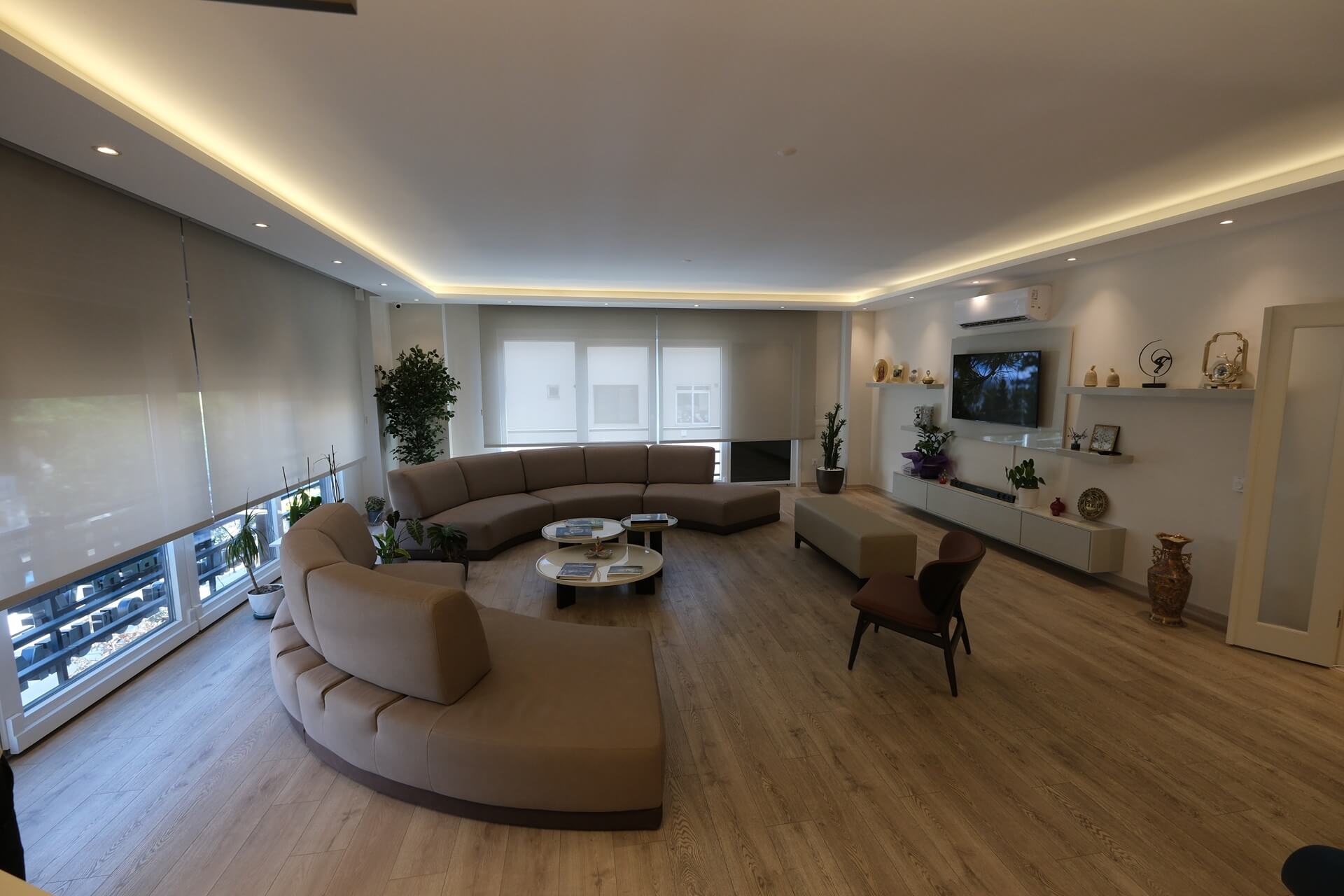
CLINIC & OFFICE
A calm, organized and trustworthy setting.
Selected views from the clinic and working environment.
Swipe to explore
01 / 07
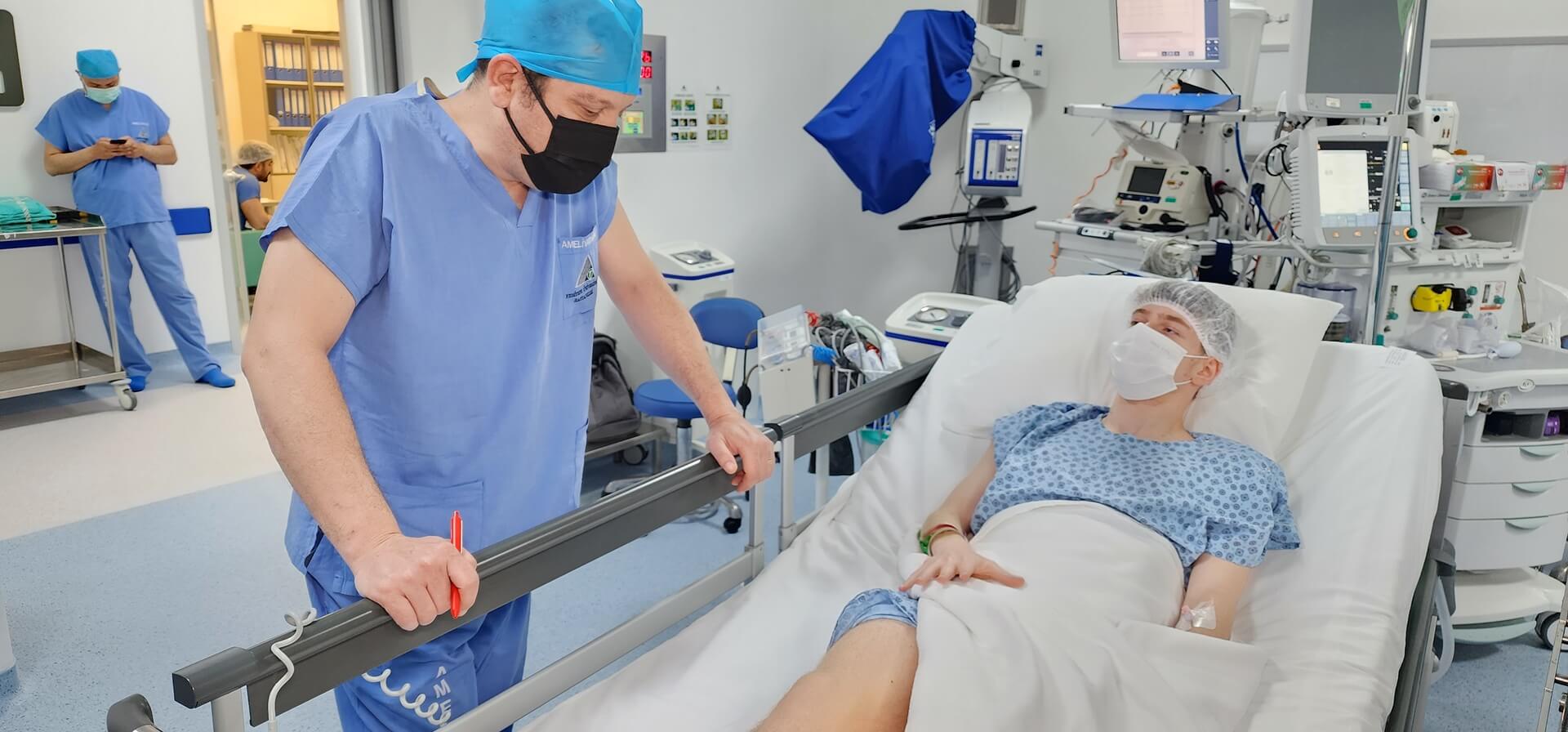
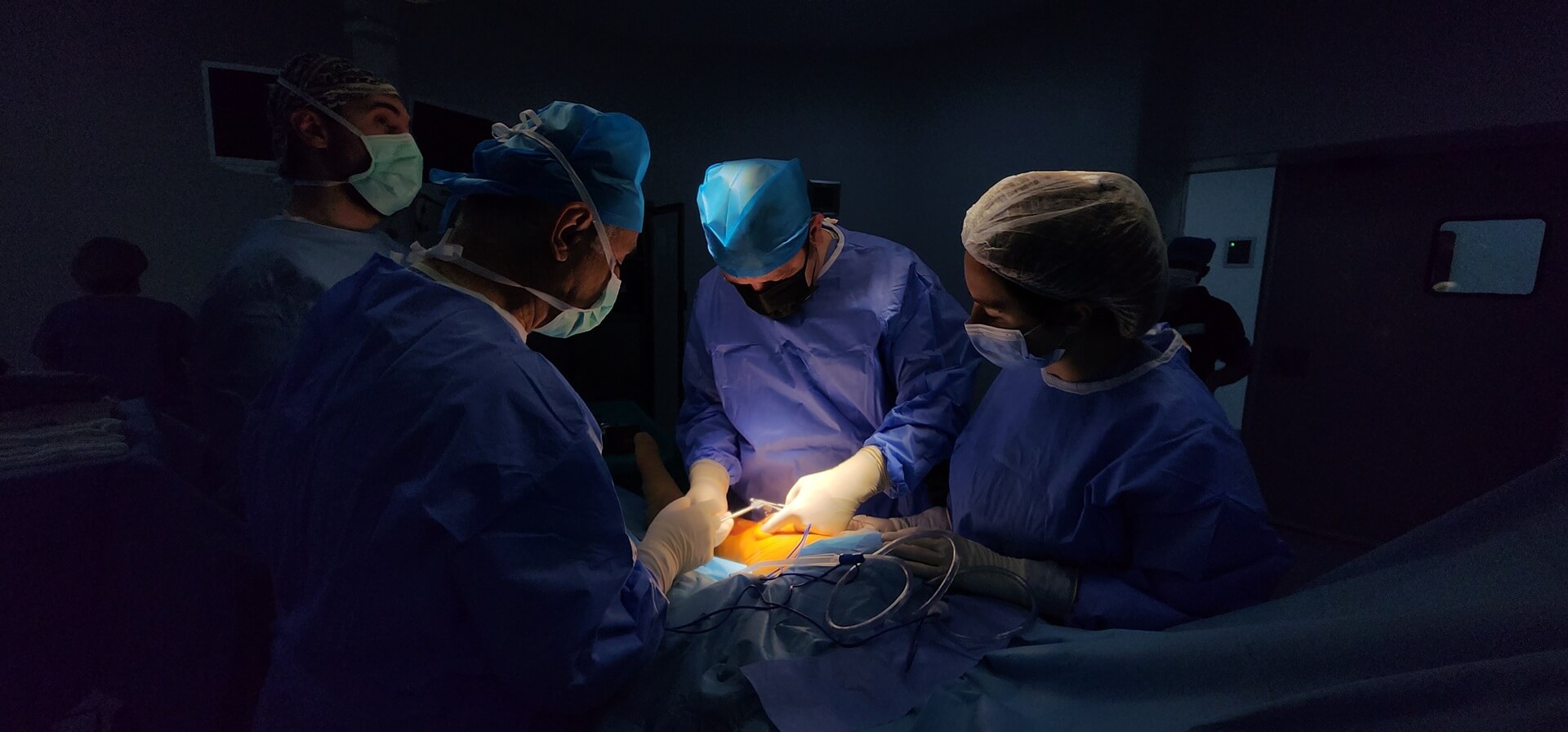
Surgery planned according to science.
The goal of an orthopedic evaluation is not only to address your current complaint, but also to understand your quality of movement and its impact on your daily life.
WHY PROF. DR. MELİH GÜVEN?
Experience, academic standards and patient-centered communication.
Orthopedic assessment is more than a test or surgery decision. The aim is to understand the patient, explain the options clearly and build an evidence-based plan.
Explore academic background →Clinical experience
Extensive clinical experience in orthopedics and traumatology.
National board
Board certification by the Turkish Orthopedics and Traumatology Education Council.
European board
European board certification in orthopedics and traumatology.
Academic output
Academic expertise supported by scientific publications and presentations.
TREATMENT AREAS
Reliable information is the first step in the treatment journey.
Explore commonly encountered orthopaedic conditions and treatment areas with clear, reliable information.
01
Joint SurgeryJoint Prosthesis Surgery (Arthroplasty)
Joint replacement surgery is a treatment performed to reduce pain and restore mobility in severely worn joints. It is most commonly performed on the knee and hip joints.
02
Minimally Invasive SurgeryArthroscopic Surgery
This is a minimally invasive surgical method in which problems within the joint are diagnosed and treated through small incisions using a camera. It offers less tissue damage and generally a more comfortable recovery process.
03
TraumaOrthopedic Trauma Surgery
This includes the treatment of fractures, joint dislocations, and injuries to the bones and surrounding joint structures. Depending on the type of fracture, either non-surgical or surgical methods are used.
04
Pediatric OrthopedicsPediatric Orthopedics
It covers the diagnosis and treatment of musculoskeletal problems in childhood and adolescence. A personalized plan is developed taking into account growth potential.
05
Deformity CorrectionDeformity Correction Surgery
Deformity correction is a treatment performed when arm or leg bones deviate from their normal alignment, length, or rotational orientation.
06
Foot and AnkleFoot and Ankle Surgery
Treatment includes addressing pain in the foot and ankle, ligament injuries, deformities, and cartilage problems. In most cases, non-surgical methods are considered first.
07
Sports InjuriesSports Injuries and Surgery
It encompasses the assessment and treatment of muscle, ligament, meniscus, and joint injuries during sports activities. The goal is to ensure a safe and quick return to sports or daily life.
08
Hand and Upper ExtremityHand and Upper Extremity Surgery
Hand and upper extremity injuries are one of the most specialized areas of orthopedics.
09
SpineSpine Surgery
Treatment for spinal disorders includes non-surgical and surgical methods tailored to each individual’s needs, with the aim of reducing pain—which may arise from conditions such as lumbar and cervical herniated discs, spinal stenosis, and osteoarthritis—correcting deformities, and preserving mobility.
10
PRP ApplicationsPRP Applications in Orthopedics
PRP is an injection therapy in which concentrated platelets derived from the patient’s own blood are administered to reduce pain and promote healing in selected joint and tendon conditions.
FREQUENTLY ASKED QUESTIONS
Clear answers to commonly asked questions.
Review general information about common topics. For a personal assessment, you can request an appointment.
31matching questions
No questions matched this search.
General & Appointments
General patient questions
Where is your office, and what are your office hours?#+
Our clinic is located in Kadıköy / Fenerbahçe (Fenerbahçe, Fener Kalamış St., Oniki Apartment Building, No. 16-18A, 2nd Floor, Apartment 3, 34726 Kadıköy/Istanbul). Hours of operation: Weekdays 10:00 a.m. – 6:00 p.m., Saturdays 10:00 a.m. – 3:00 p.m.
How can I make an appointment?#+
You can submit your appointment request using the form on our website or by calling 0555 017 03 10. Simply specify your concern and your preferred time slot on the form. Our team will contact you as soon as possible to provide you with the confirmed appointment details.
What happens during the initial examination?#+
During your initial consultation, your symptoms will be discussed in detail, a physical examination will be performed, and your existing test results (MRI, X-rays, lab tests, etc.) will be reviewed. If deemed necessary, additional tests may be ordered, and a treatment plan will then be developed. The goal is to work with you to determine the treatment approach that is best suited for you and easy for you to understand.
What should I bring with me to my appointment?#+
It would be helpful if you could bring your ID, CDs containing your current X-ray, CT, or MRI scans, your previous discharge summaries and/or surgical reports, a list of the medications you are taking, and your insurance information, if applicable.
Can I come in for a second consultation?#+
Yes. We can review your current test results and reports. Our goal is to present the treatment options that are best suited for you in a clear and understandable way.
What should I do in an emergency?#+
In cases of sudden and severe pain, noticeable swelling, loss of movement, an open wound, or loss of sensation, call 112 or go to the nearest emergency room. Emergency services are not available at the clinic.
Treatment Methods
When is surgery necessary, and when is non-surgical treatment sufficient?#+
Every patient and every condition is different. While treatment options for some orthopedic conditions are limited to surgical interventions, for others, conservative (non-surgical) treatments are also viable. For many conditions, the least invasive methods possible (medication, physical therapy, injections, lifestyle changes, etc.) are considered first during the initial evaluation. Surgery is recommended when conservative treatments are insufficient or when there is significant structural damage. The decision is made in consultation with you, and all options are fully explained.
Is a cast or surgery preferred after a fracture?#+
The decision is based on the type of fracture, its location, displacement, the patient’s age, and activity level. While a cast or brace may be sufficient for stable fractures, surgical fixation is often required for displaced or intra-articular fractures.
What is arthroscopic (minimally invasive) surgery and in what situations is it used?#+
Arthroscopy is a minimally invasive procedure performed by inserting small cameras and instruments into the joint. It is used for both diagnosis and treatment in many conditions, including meniscus tears, anterior cruciate ligament injuries, shoulder impingement syndrome, and cartilage damage. It allows for smaller incisions, less pain, and generally faster recovery.
When can I return to sports after arthroscopic surgery?#+
It varies depending on the type of injury. It can take 4–8 weeks after meniscus surgery and 6–9 months after anterior cruciate ligament reconstruction. Return to work must be planned under the supervision of a doctor and physiotherapist.
When should I see a doctor for sports injuries?#+
Evaluation is recommended for swelling, significant pain, limited range of motion, locking sensation, or symptoms that do not improve within 48–72 hours after injury. Early intervention can prevent the development of chronic problems.
Can hip or knee osteoarthritis be treated without surgery?#+
In early and moderate stages of osteoarthritis, symptoms can be significantly reduced with medication, physical therapy, weight management, intra-articular injections (PRP, hyaluronic acid, etc.), and activity modification. In advanced stages and when daily life is severely affected, prosthetic surgery becomes an option. Treatment decisions are made on an individual basis.
How long does hip or knee replacement surgery take, and how long will I stay in the hospital?#+
A standard knee or hip replacement surgery usually takes 1–2 hours. Hospital stay is 2–4 days for most patients. Early mobilization and a personalized rehabilitation program support the recovery process.
How long will it take for me to return to my normal life after hip or knee replacement surgery?#+
Most patients are able to get up and walk the day after surgery. Independent movement within the home usually begins within 2–4 weeks. Driving and light work are possible in 4–6 weeks, and full activity in 3–6 months. The timeframe varies from person to person.
Who is a candidate for deformity correction surgery?#+
Corrective surgery may be considered in cases where there is pain and loss of function due to differences in arm and leg length, pronounced inward or outward rotation/curvature, rotational deformities causing gait abnormalities, or deformities that are congenital or result from trauma.
What problems do you deal with in the field of pediatric orthopedics?#+
Our areas of interest in pediatric orthopedics include congenital or acquired deformities of the upper and lower extremities (including the foot and ankle) in growing children, hip development issues, gait abnormalities, fractures, spinal problems, posture and alignment issues, and sports injuries.
When should orthopedic problems be evaluated in children?#+
As children’s musculoskeletal systems continue to develop, they undergo certain natural changes. These changes sometimes raise concerns among parents regarding potential orthopedic issues. For this reason, orthopedic evaluations are recommended at ages 3, 5, and 8 after birth, as well as at the onset of puberty (between ages 8 and 10 for girls and 10 and 12 for boys). Early evaluation is necessary in cases of delayed walking, failure to walk on the heels, leg deformities, limping, congenital foot deformities, or recurring complaints during sports activities. The timing of intervention during the growth period is crucial.
Is surgery always necessary for a meniscus tear?#+
No. Small, stable tears and some degenerative tears can be managed without surgery (rest, physical therapy, injections). Arthroscopic surgery may be preferred if locking, catching, persistent swelling, or interference with return to sports activities occur.
What factors determine the decision to undergo surgical treatment for an anterior cruciate ligament (ACL) injury?#+
The decision to undergo surgical treatment for anterior cruciate ligament (ACL) injuries is made after evaluating the extent of damage to the ligament, any accompanying injuries, the patient’s age, activity level, and involvement in sports. In cases of ACL tears, ligament reconstruction is typically performed. Prosthetics (artificial ligaments) are rarely used.
When should arthroscopy be considered for shoulder pain and limited range of motion?#+
If conservative treatment (medication, physical therapy, injections) does not yield results after 6–12 weeks, arthroscopic surgery is considered for conditions such as rotator cuff tears, impingement syndrome, or cartilage damage.
When should back pain be taken seriously, and when should you see a doctor?#+
Most cases of back pain are caused by muscle strain, poor posture, or degenerative changes and can often be managed without surgery. However, an orthopedic evaluation is recommended if the pain persists, radiates to the leg, is accompanied by numbness or weakness, or significantly limits daily activities. Treatment is tailored to the individual based on the source of the pain.
When is surgery necessary for back pain?#+
Most cases of back pain can be treated without surgery. However, surgical treatment may be necessary in cases of progressive muscle weakness, severe nerve compression, loss of bladder or bowel control, severe spinal stenosis, or pain that persists and does not respond to other treatments. The decision to undergo surgery is made based on a comprehensive evaluation of the patient’s physical examination and imaging findings.
What are radiofrequency and nucleoplasty treatments for back pain?#+
Radiofrequency and nucleoplasty are minimally invasive procedures that can be used to treat lower back pain in suitable patients. Radiofrequency ablation involves the controlled application of energy to the nerve branches that transmit pain, particularly in certain cases of chronic lower back pain originating from the facet joints; nucleoplasty, on the other hand, aims to reduce intradiscal pressure by inserting a thin probe into the disc and applying laser energy, specifically for selected cases of disc-related pain. Neither method is suitable for every case of lower back pain; patient selection is based on examination and imaging findings.
PRP Treatment
What is PRP therapy and what diseases is it used for?#+
PRP (Platelet-Rich Plasma) is an injectable treatment derived from the patient's own blood and rich in growth factors. It can be used supportively, particularly in cartilage damage, tendon injuries, mild to moderate osteoarthritis, and some sports injuries. Its effectiveness varies depending on the individual and the stage of the disease.
How many sessions of PRP treatment are required, and how long do the effects last?#+
The number of sessions in PRP therapy varies depending on the orthopedic problem and the quality of the patient’s PRP. There is no fixed number of sessions for everyone. For many conditions, 1–3 sessions may be sufficient. The effect varies from person to person and depending on the stage of the disease; relief can be achieved for 6–12 months in most patients. In advanced osteoarthritis, the effect is limited and does not completely eliminate the need for a joint replacement.
What precautions should I take after PRP treatment?#+
Avoid strenuous activity for the first 24–48 hours, and do not overexert the area. Anti-inflammatory medications (such as ibuprofen) should not be taken without a doctor’s recommendation, as they may reduce the effectiveness of PRP. Light-to-moderate activities can generally be resumed the next day.
About Before/After Surgery
What should I pay attention to before surgery?#+
Once the decision for surgery is made, you will be given a personalized preparation checklist. In general: You should inform your doctor about any medications you are taking (especially blood thinners). Quitting smoking will positively affect recovery. Necessary blood tests and an anesthesia evaluation will be performed. The entire process will be explained to you step by step.
What tests do I need to have done before surgery?#+
You will usually be asked to take recent X-rays, CT or MRI (if needed), blood tests, and an anesthesia evaluation. Bringing your existing test results with you will speed up the process.
How does the recovery process progress after surgery?#+
Recovery time varies depending on the type of surgery, age, and overall health condition. Early pain control, range of motion exercises, and physical therapy are crucial. Progress is regularly assessed at follow-up appointments.
Other
I'm coming from abroad, can I receive treatment?#+
Yes. We also provide assessment and treatment planning for international patients. The initial consultation can be conducted online or via email. Information regarding necessary medical documents and travel arrangements will be provided.
What do TOTEK and FEBOT certifications mean?#+
TOTEK is a board qualification certificate in the field of Orthopedics and Traumatology in Turkey. FEBOT, on the other hand, is a European-level board certification (Fellow of the European Board of Orthopaedics and Traumatology). Both demonstrate successful completion of specific standard training and examination processes.
PATIENT EXPERIENCES
Patient feedback, managed transparently.
Reviews are moderated before publication and should not be interpreted as a guarantee of a treatment outcome.
5.0★Published review average
6Published reviews
✓Content moderationReviews are moderated before publication.
Reviews reflect individual experiences and do not guarantee a treatment result.
★★★★★
“Prof. Dr. Melih Güven treated my sports-related knee injury. Professional, experienced and trustworthy. I would definitely recommend him to anyone”
David Okonkwo★★★★★
“Prof. Dr. Güven performed my total knee replacement last year. The explanation before surgery was clear and the recovery went better than I expected. Highly recommend him.”
Sarah Thompson★★★★★
“I came from the UK for hip pain treatment. Dr. Güven was professional, patient and very skilled. My mobility improved significantly after the surgery.”
Michael Reed★★★★★
“Excellent experience with arthroscopic shoulder surgery. The doctor took time to answer every question and the post-operative care was outstanding.”
Elena Petrova★★★★★
“After years of knee problems, I finally found the right specialist. Prof. Güven’s approach is modern and patient-focused. I’m back to walking without pain.”
James Carter★★★★★
“Very satisfied with the treatment for my ankle injury. Clear communication, careful examination and great results. Thank you, Dr. Güven.”
Anna LindqvistSend us your feedback.
Your review is not published immediately; it becomes visible after moderation.
MY WORK
Orthopedic articles, explained clearly.
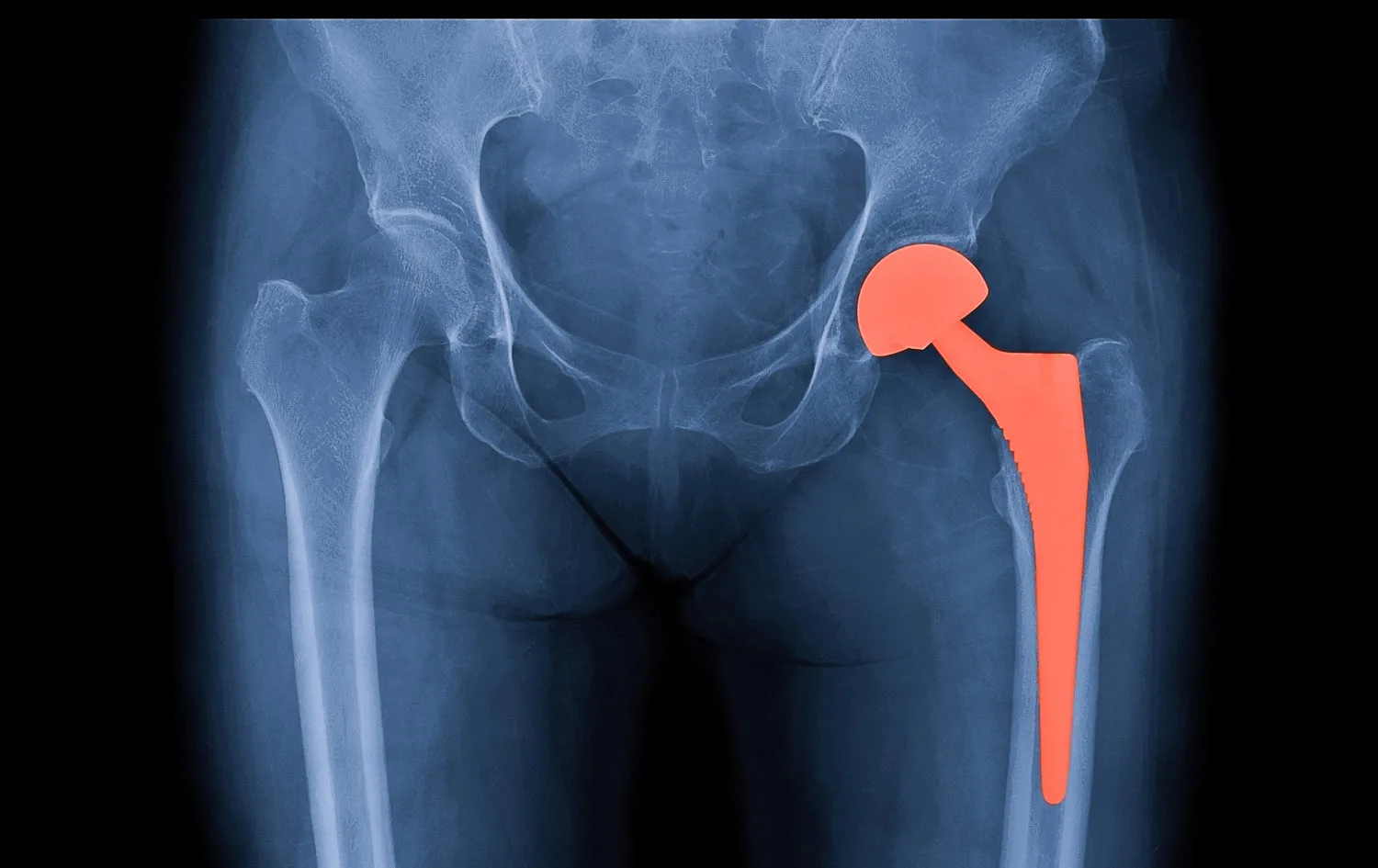
Joint Prosthesis Surgery (Arthroplasty)
Arthroplasty, or joint replacement surgery, is a procedure in which worn-out joint cartilage is surgically removed and replaced with an artificial joi
Continue reading →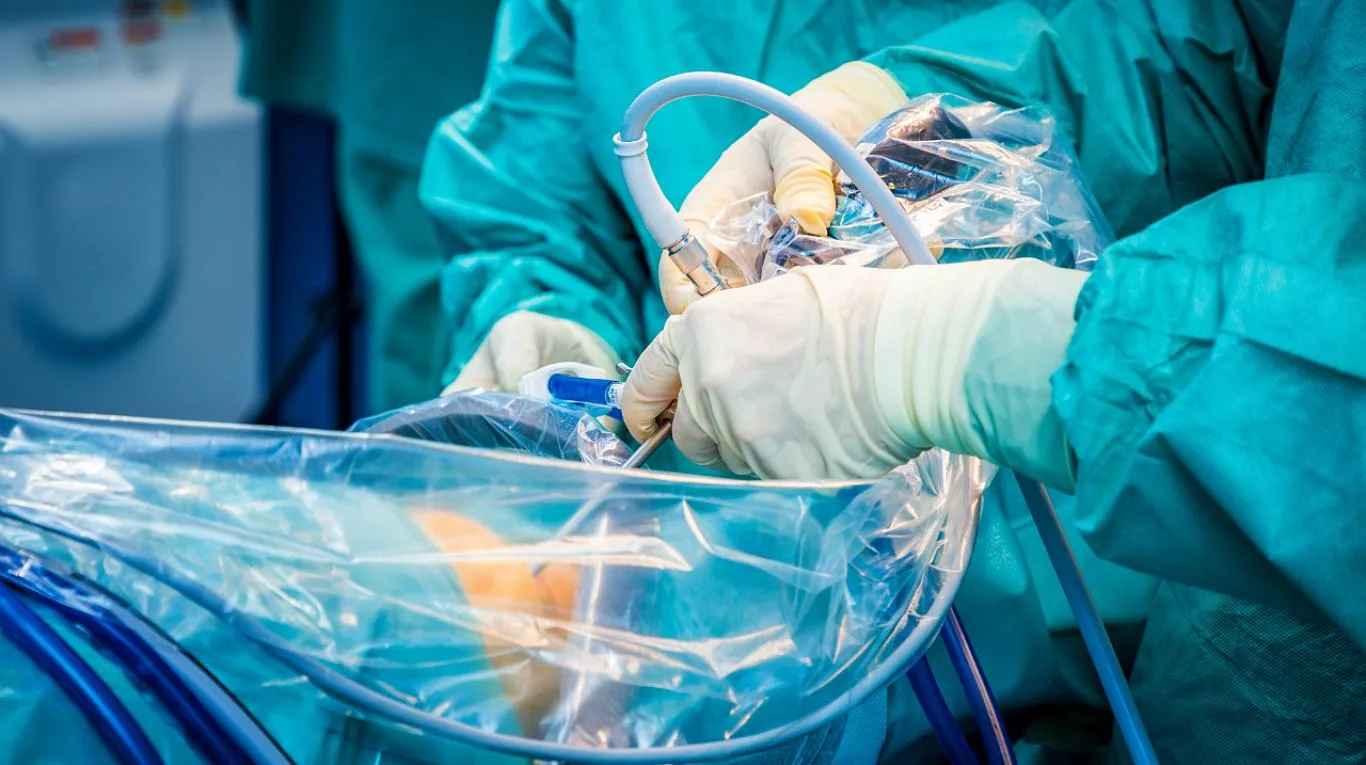
Arthroscopic Surgery
Arthroscopic surgery is a surgical technique that enables the diagnosis and treatment of conditions affecting the joint area using minimally invasive
Continue reading →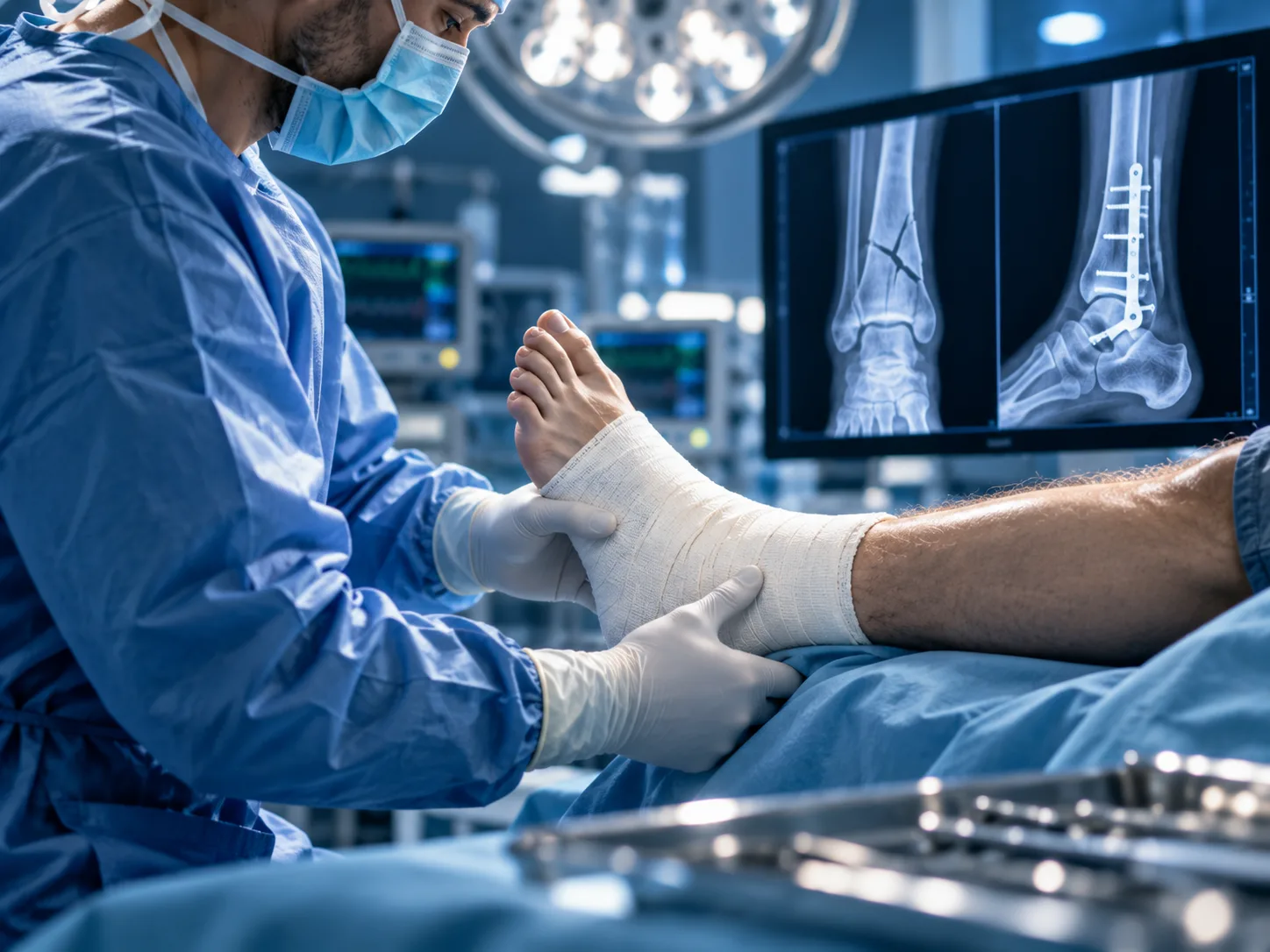
Orthopedic Trauma Surgery
Orthopedic trauma surgery is a subspecialty that involves the treatment of fractures, joint dislocations, and soft tissue injuries around bones and jo
Continue reading →
Pediatric Orthopedics (Orthopedics for Children)
The word “orthopedics” is derived from the Latin words ‘orthos’ (straight) and “paedia” (child). It is one of the most fundamental fields within the d
Continue reading →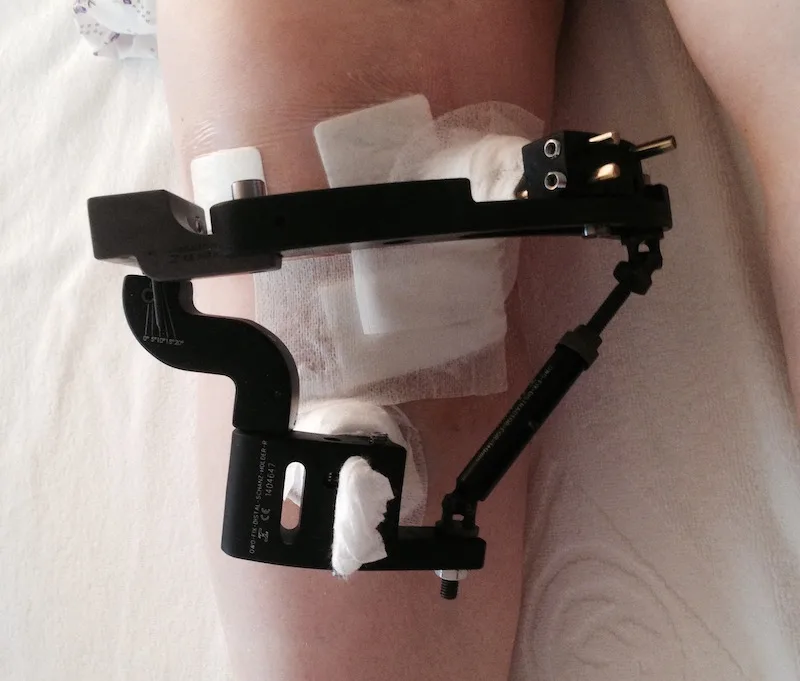
Deformity Correction Surgery
From an orthopedic perspective, a deformity refers to a disruption of the normal alignment and anatomical relationships of the bones in the arms, legs
Continue reading →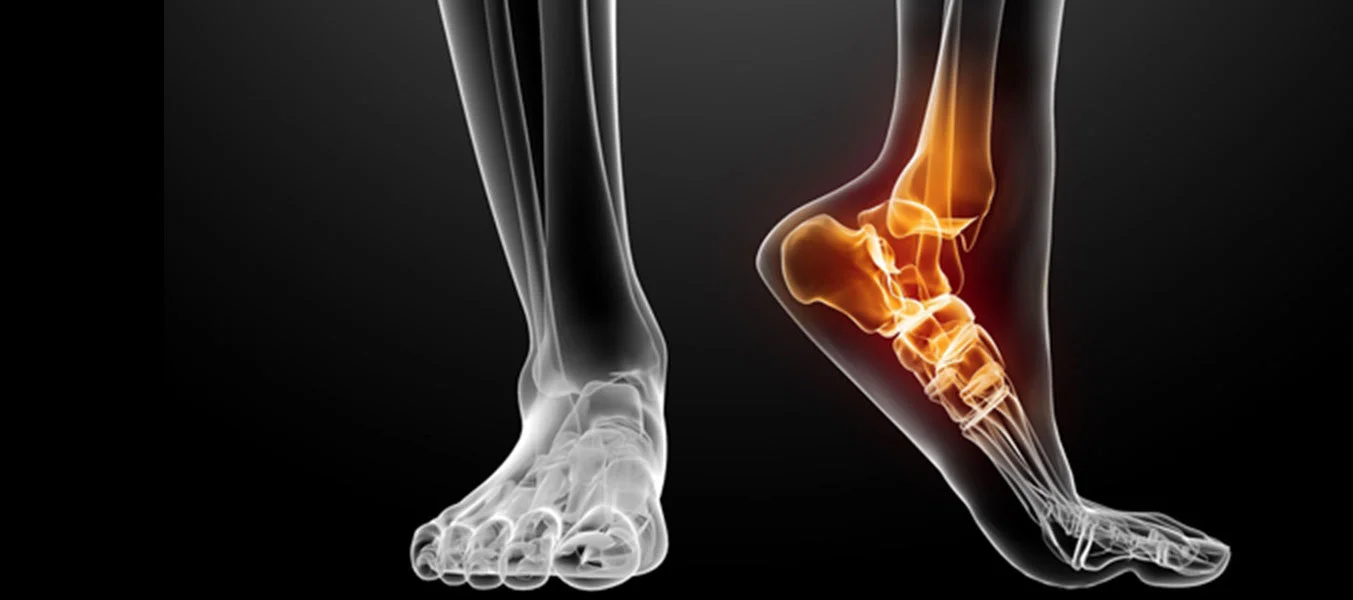
Foot and Ankle Surgery
Orthopedic procedures on the foot and ankle are performed to treat degenerative diseases, cartilage problems, fractures and dislocations, sports injur
Continue reading →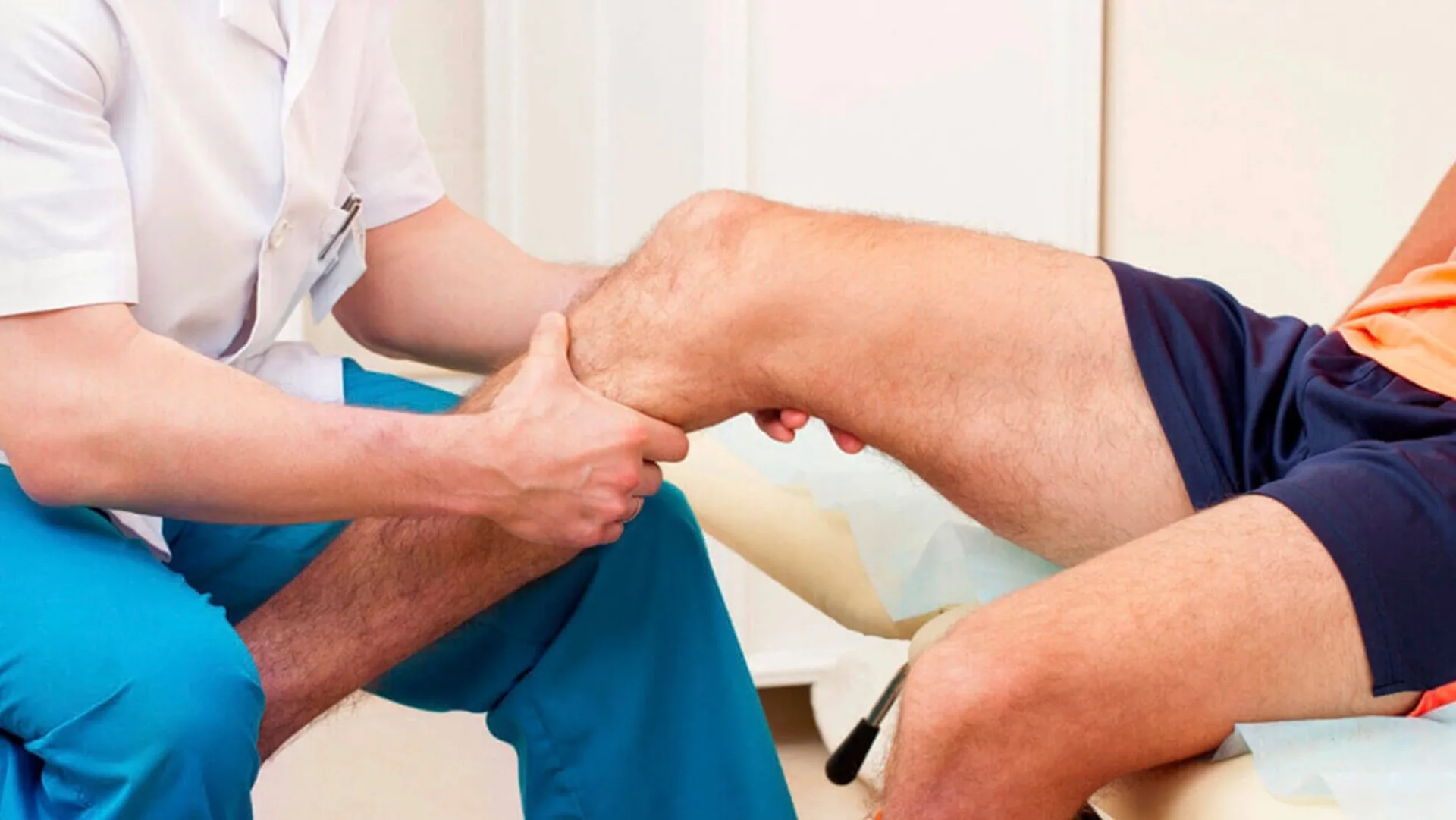
Sports Injuries and Sports Surgery
Sports injuries can occur in any age group and at any activity level. Both conservative and surgical treatments may be considered for these injuries.
Continue reading →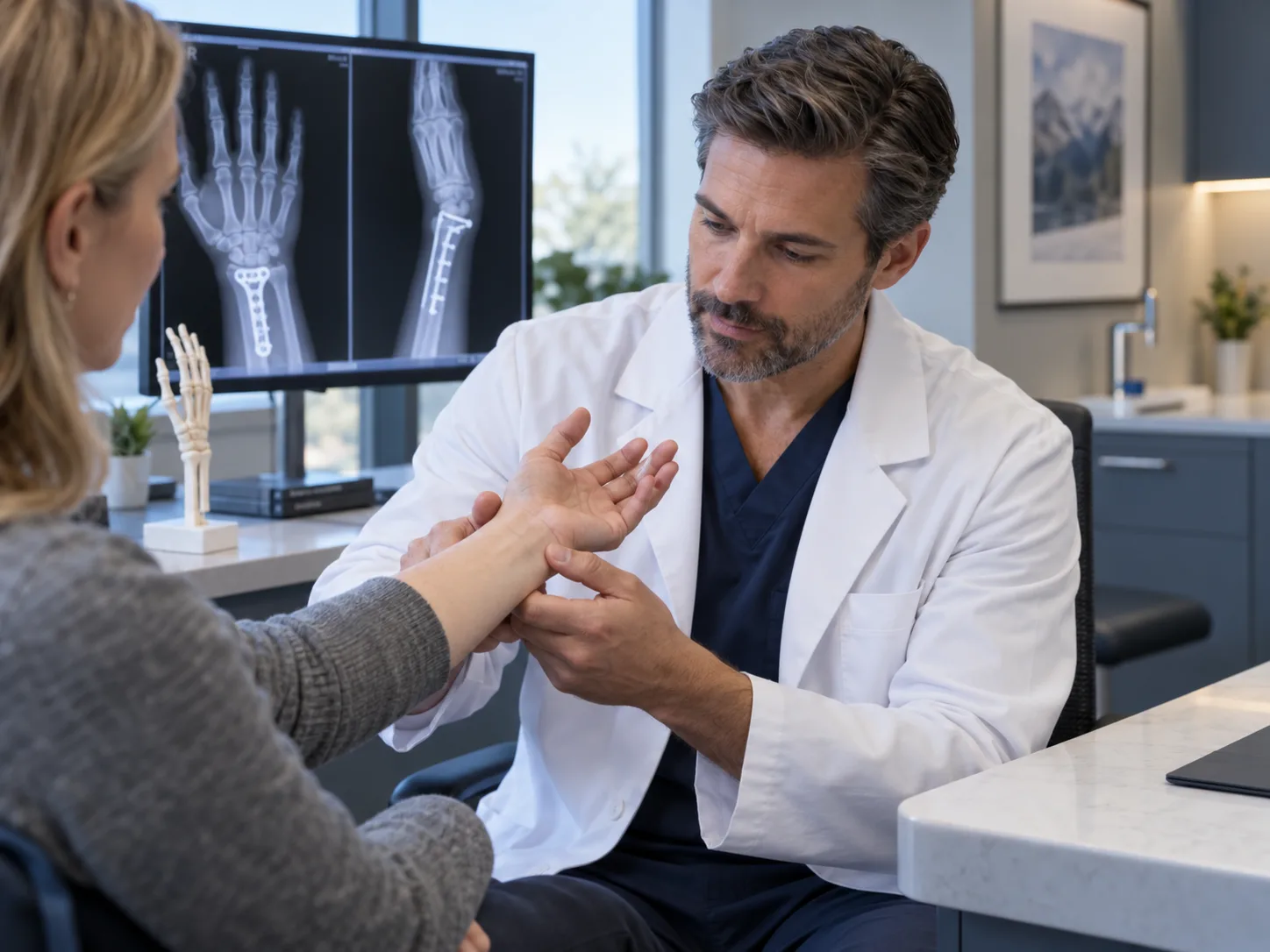
Hand and Upper Extremity Surgery
Hand and upper extremity surgery encompasses the treatment of traumatic injuries, nerve compressions, tendon problems, cysts, osteoarthritis, and cong
Continue reading →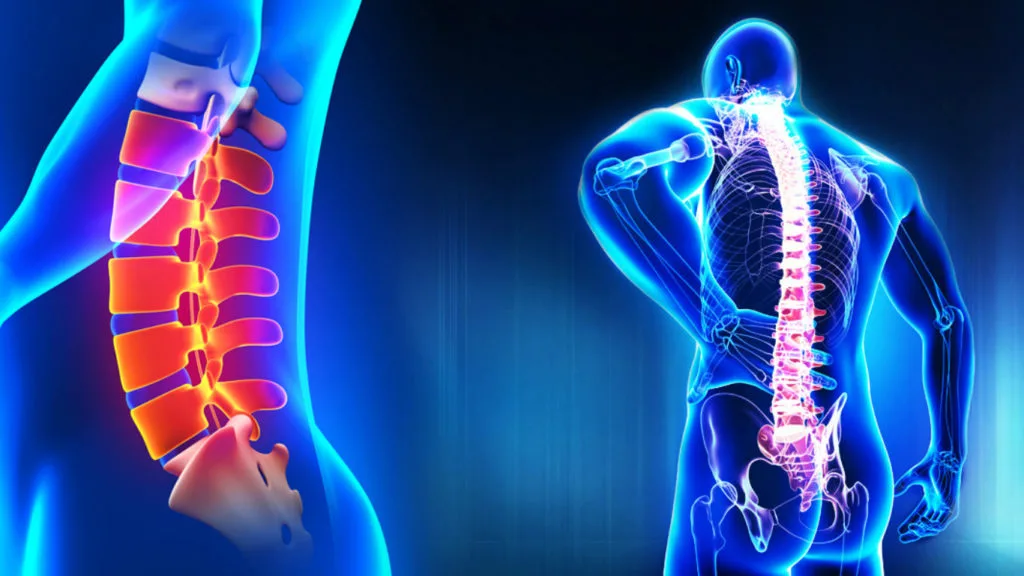
Spine Surgery
Traumatic injuries to the spine, spinal curvatures, disc disorders, degenerative and inflammatory diseases, infections, and malignancies are common.
Continue reading →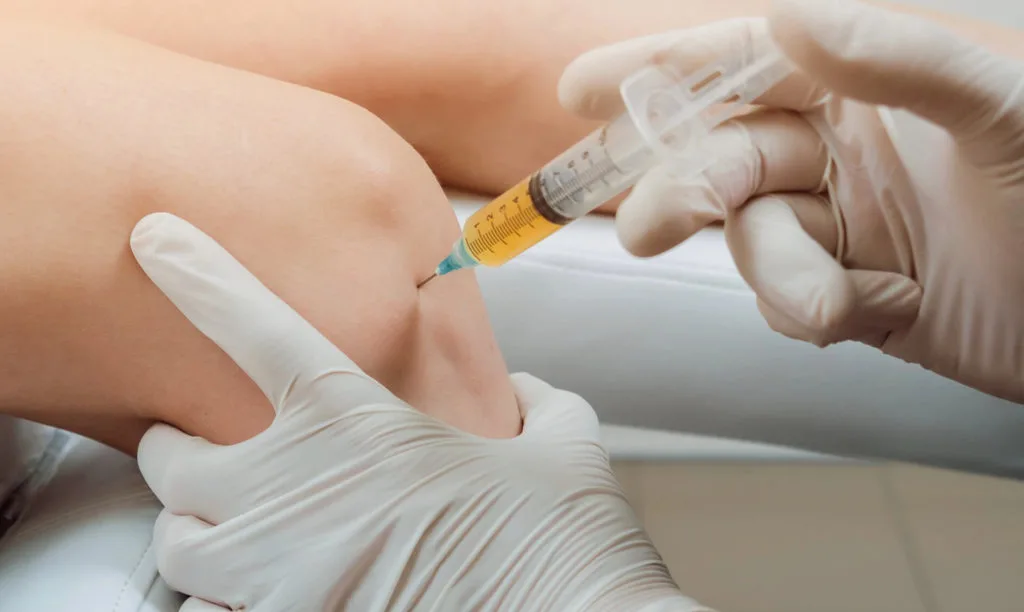
PRP Applications in Orthopedics
The PRP procedure—an abbreviation for the English term “Platelet-Rich Plasma”—has become widely used over the past 10 years and has gained prominence.
Continue reading → APPOINTMENT & CONTACT
Appointment & Contact
Use the secure forms below for appointment requests or questions about treatment processes. These forms do not replace diagnosis or emergency care.
PHONE0555 017 03 10Appointment and information→WHATSAPPSend a messageAppointment and information↗EMAILmaguven2000@gmail.comSend a message→GET DIRECTIONSKadıköy / İstanbulAddress and directions→
REQUEST AN APPOINTMENT
Send your request in four short steps.
Share your preferred date and time; the clinic team will contact you to confirm your appointment.
Send a message