PRP stands for Platelet-Rich Plasma. It is an autologous biological product prepared from the patient's own blood and contains a higher concentration of platelets than ordinary plasma.
In recent years, PRP has become one of the most widely discussed orthobiologic treatments in orthopedics and sports medicine.
It has been investigated for conditions involving:
- joints,
- tendons,
- ligaments,
- muscles,
- and other musculoskeletal tissues.
One of the main characteristics of PRP is that it is prepared from the patient's own blood.
However, PRP should not be considered a universal “regenerative” treatment for all orthopedic conditions.
Its clinical effect may vary according to:
- the condition being treated,
- the stage of disease,
- patient characteristics,
- the preparation system,
- platelet concentration,
- leukocyte content,
- and the number and timing of injections.
For this reason, PRP is not a single standardized product.
What Are Platelets?
Platelets are small cellular fragments derived from megakaryocytes in the bone marrow.
They are best known for their role in blood coagulation.
However, platelets also contain numerous biologically active molecules within their granules, including:
- growth factors,
- cytokines,
- chemokines,
- and signaling proteins.
These molecules participate in the normal biological response to tissue injury.
The concept behind PRP is to deliver a concentrated preparation of platelets and their associated biological mediators to a specific target area.
How Is PRP Prepared?
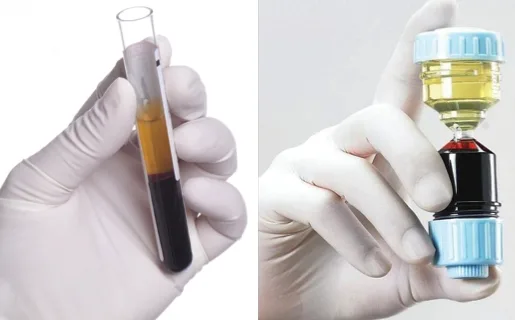
PRP is usually prepared from venous blood taken from the patient's arm.
The amount of blood required varies depending on the preparation system and the volume of PRP required.
The blood is collected in specialized tubes and then centrifuged.
Centrifugation separates the components of blood according to their density.
The aim is to:
- remove most red blood cells,
- isolate the plasma containing platelets,
- and increase platelet concentration according to the preparation technique.
The resulting PRP is collected under sterile conditions and then injected into the target area.
The fundamental source of the treatment is therefore the patient's own blood.
Is All PRP the Same?
No.
This is one of the most important concepts in understanding PRP therapy.
PRP preparations can differ substantially in:
- platelet concentration,
- leukocyte concentration,
- red blood cell contamination,
- plasma volume,
- and activation method.
Preparations are commonly described as:
leukocyte-poor PRP (LP-PRP)
or
leukocyte-rich PRP (LR-PRP).
The preferred formulation may depend on the tissue and condition being treated.
Therefore, simply stating that a patient “received PRP” does not fully describe the biological product that was administered.
In the modern orthobiology approach, it is important to define the product's preparation method and composition as standardized as possible.
Clinical guidelines published by NICE (National Institute for Health and Care Excellence) note that different PRP preparation protocols lead to significant differences in platelet and leukocyte concentrations.
How Does PRP Work?
When a tissue is injured, the body initiates a natural healing process.
Platelets contribute not only to clot formation but also to the release of biologically active molecules.
PRP may contain mediators such as:
- platelet-derived growth factor (PDGF),
- transforming growth factor-beta (TGF-β),
- vascular endothelial growth factor (VEGF),
- and other signaling molecules.
These can influence biological processes involved in:
- cell communication,
- cell migration,
- blood vessel formation,
- extracellular matrix metabolism,
- and tissue repair responses.
However, demonstrating these effects in laboratory studies does not mean that PRP will automatically regenerate normal tissue when injected.
Clinical results vary according to the condition and the individual patient.
Is PRP a Stem Cell Treatment?
No.
PRP should not be marketed or described as a stem cell treatment.
Standard PRP does not involve injecting stem cells into the treatment area.
It contains:
- the patient's own plasma,
- concentrated platelets,
- and biological mediators released from those platelets.
PRP and cell-based or stem-cell-based orthobiologic treatments are therefore different therapies.
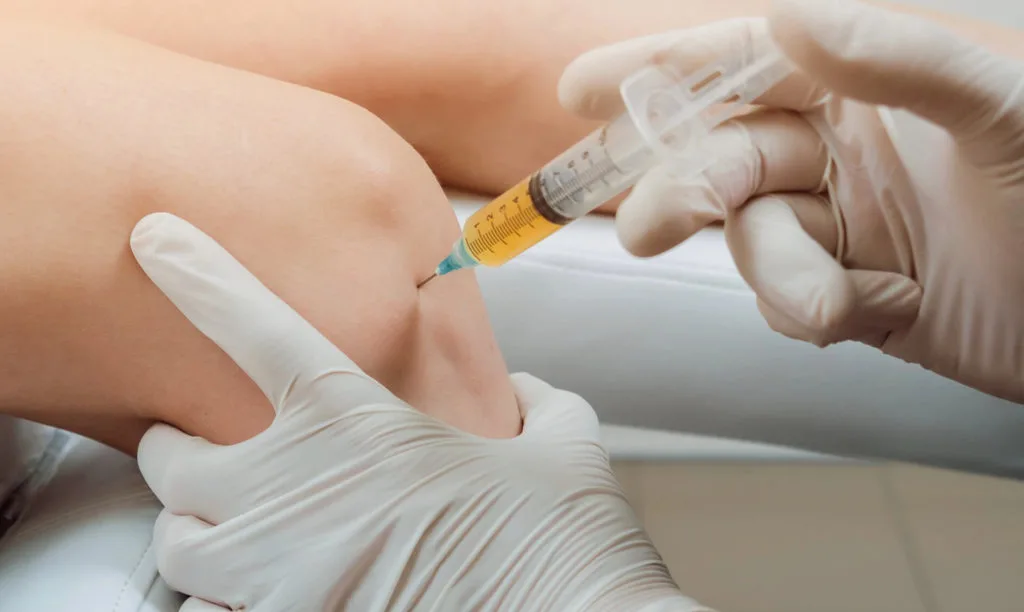
How Is PRP Administered?
Most orthopedic PRP injections can be performed as an outpatient procedure.
The typical process involves:
- Drawing blood from the patient.
- Processing the blood in a centrifuge.
- Isolating the platelet-rich plasma.
- Preparing the injection site using sterile technique.
- Injecting the PRP into the target tissue or joint.
Hospital admission is generally not required.
After the injection, the patient can resume their daily routine after a brief observation period.
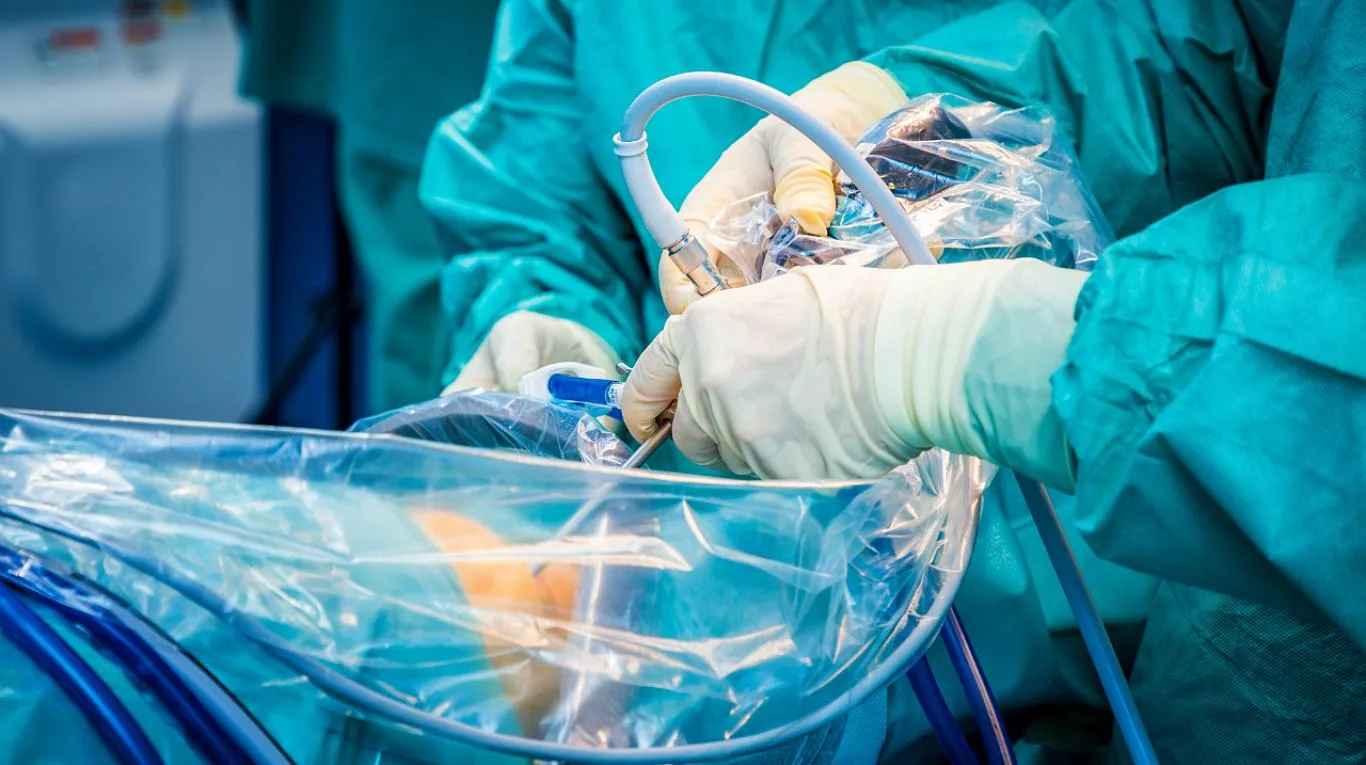
Ultrasound-Guided PRP Application
For tendon, ligament, and certain periarticular injections, accurate needle placement is important.
Ultrasound guidance may allow the physician to:
- visualize the needle,
- identify the target structure,
- avoid nearby nerves and blood vessels,
- and deliver the PRP more accurately.
However, in some joints—such as the knee joint—that are superficial and anatomically easily accessible, the method of administration may vary depending on the patient and the physician’s preference.
Is a PRP Injection Painful?
Patients may experience brief discomfort during blood collection and injection.
During the first few days after treatment, there may be:
- temporary pain,
- tenderness,
- or mild swelling.
A temporary increase in discomfort can occur, particularly after tendon injections.
What Should Patients Do After PRP?
Post-injection recommendations vary according to the treated tissue.
Patients may initially be advised to:
- avoid strenuous activity,
- avoid excessive loading of the treated area,
- and follow a structured rehabilitation program when appropriate.
Some PRP protocols recommend avoiding nonsteroidal anti-inflammatory drugs (NSAIDs) around the time of treatment. However, there is no universally accepted duration for all patients and all PRP preparations.
Patients should therefore not stop prescribed medications without discussing this with their physician.
When Does PRP Start to Work?
PRP is not intended to function as a local anesthetic that provides immediate pain relief.
When improvement occurs, it may develop gradually over several weeks.
There is no scientifically valid universal rule that PRP must begin working after exactly one week or reach a maximum effect at three or four weeks.
The response depends on:
- the condition,
- target tissue,
- PRP preparation,
- individual biology,
- and accompanying rehabilitation.
Some patients experience meaningful improvement, while others may gain little or no benefit.
How Many PRP Injections Are Needed?
There is no single injection protocol that applies to every condition.
Some protocols use a single injection, while others use two or three injections at specified intervals.
The number of treatments should depend on:
- the condition being treated,
- PRP preparation,
- treatment protocol,
- and individual clinical response.
Statements such as “PRP must always be given three times” are therefore misleading.
Which Orthopedic Conditions May Be Treated With PRP?
The level of scientific evidence differs considerably between orthopedic conditions.
PRP has been studied extensively in some disorders, whereas evidence remains limited or inconsistent in others.
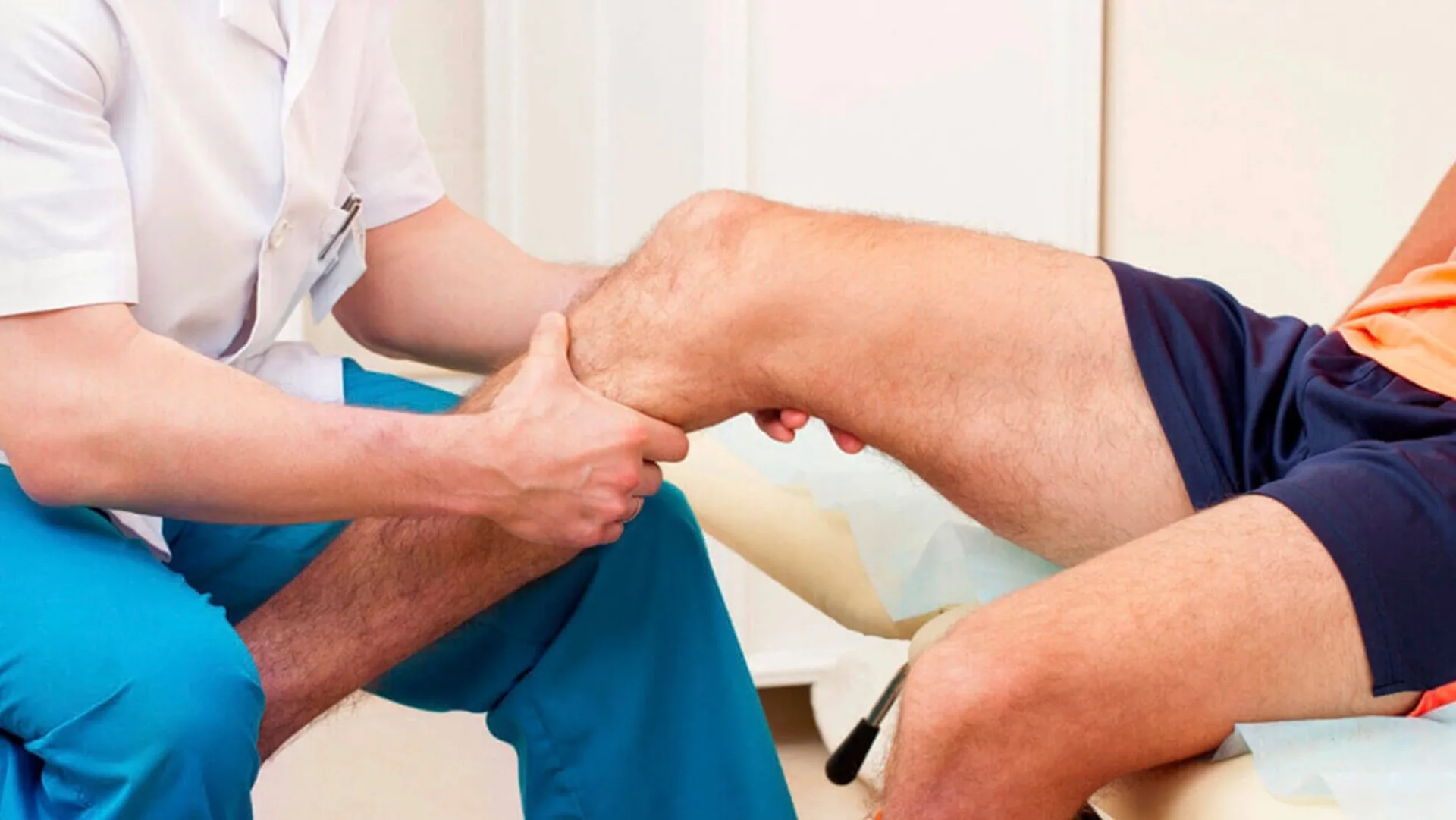
Knee Osteoarthritis
Knee osteoarthritis is one of the most extensively investigated orthopedic indications for PRP.
In appropriately selected patients, particularly those with mild to moderate disease, PRP may provide improvement in:
- pain,
- function,
- and symptoms.
However, PRP has not been proven to reliably regenerate all lost articular cartilage or to cure osteoarthritis.
The realistic objective is therefore not to “create a new knee,” but to reduce symptoms and improve function in selected patients.
Scientific organizations do not interpret the available evidence in the same way. NICE (National Institute for Health and Care Excellence) currently states that there are no major safety concerns but that the quality of evidence regarding efficacy remains limited, whereas more recent European orthobiologic consensus work recognizes PRP as an option for selected patients with knee osteoarthritis.
Patellar Tendinopathy
Chronic patellar tendinopathy is common in jumping sports.
The foundation of treatment is appropriate load management and structured exercise rehabilitation.
PRP may be considered as an adjunct in selected patients with persistent symptoms despite appropriate conservative treatment.
It should not replace rehabilitation.
Tennis Elbow
Lateral epicondylitis, commonly known as tennis elbow, is one of the most frequently studied tendon conditions in PRP research.
Some studies report long-term improvement in pain and function, while others show less convincing benefit.
PRP may therefore be considered for selected patients with chronic symptoms as part of a broader treatment program that includes exercise and activity modification.
Achilles Tendinopathy
Structured tendon-loading exercise remains the primary treatment for chronic Achilles tendinopathy.
Evidence supporting routine PRP injection is less convincing than that for some other indications.
PRP should therefore not be considered standard first-line treatment for every patient with Achilles tendinopathy.
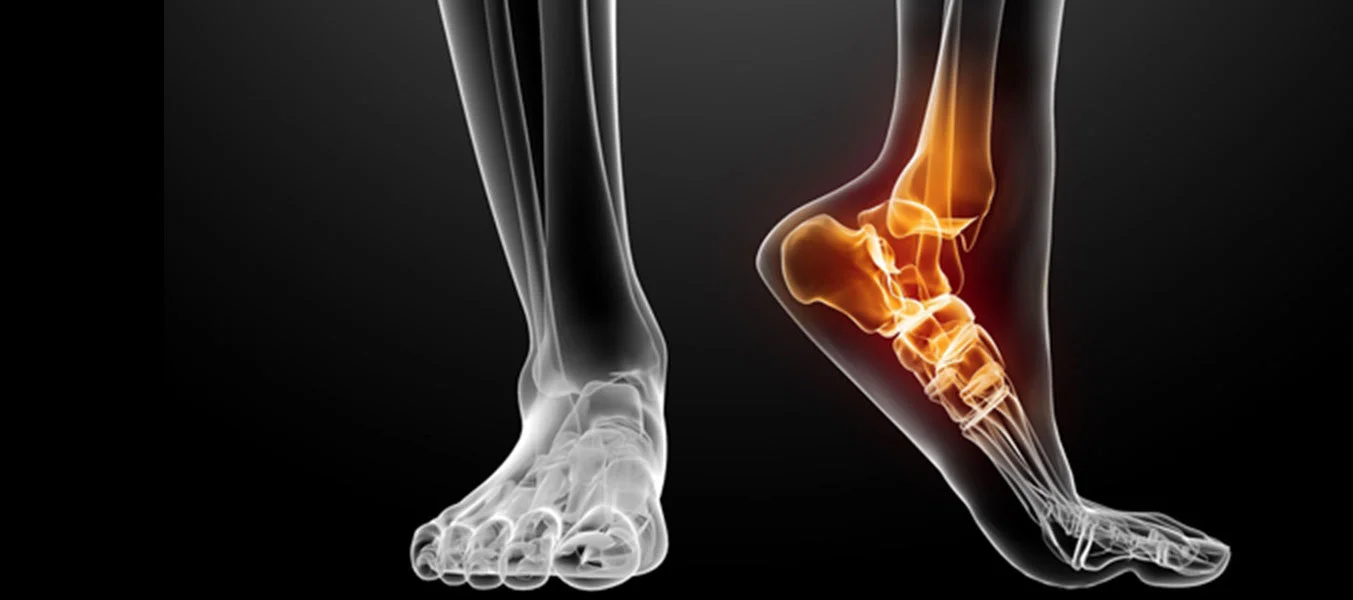
Plantar Fasciopathy
Many conditions described by patients as a “heel spur” are primarily related to the plantar fascia.
Chronic plantar fasciopathy is therefore often a more accurate clinical term.
PRP may be considered in selected patients with persistent symptoms despite appropriate nonsurgical treatment.
For most patients, initial management includes:
- load modification,
- stretching,
- appropriate footwear,
- weight management,
- and rehabilitation.
Rotator Cuff Disorders
PRP has been studied in rotator cuff tendinopathy and selected partial tears.
Clinical results vary according to the pathology and PRP formulation.
There is no single body of evidence supporting routine PRP for every rotator cuff condition.
A complete rotator cuff tear requiring surgical repair should not be expected to heal anatomically simply because PRP has been injected.
Muscle Injuries
PRP has attracted significant interest in the treatment of sports-related muscle injuries.
However, study results remain inconsistent.
The main components of treatment continue to be:
- accurate diagnosis,
- appropriate load management,
- structured rehabilitation,
- and criteria-based return to sport.
PRP may be considered in selected circumstances, but it cannot currently be stated that it routinely accelerates healing in all muscle injuries.
Meniscal and Ligament Injuries
PRP is being investigated for meniscal and ligament healing, including as a biological adjunct to certain surgical repairs.
However, a mechanically unstable knee, a meniscal tear requiring repair, or a ligament injury with a clear surgical indication should not be considered adequately treated by PRP injection alone.
PRP should, when appropriate, be viewed as an adjunct rather than a substitute for the primary treatment.
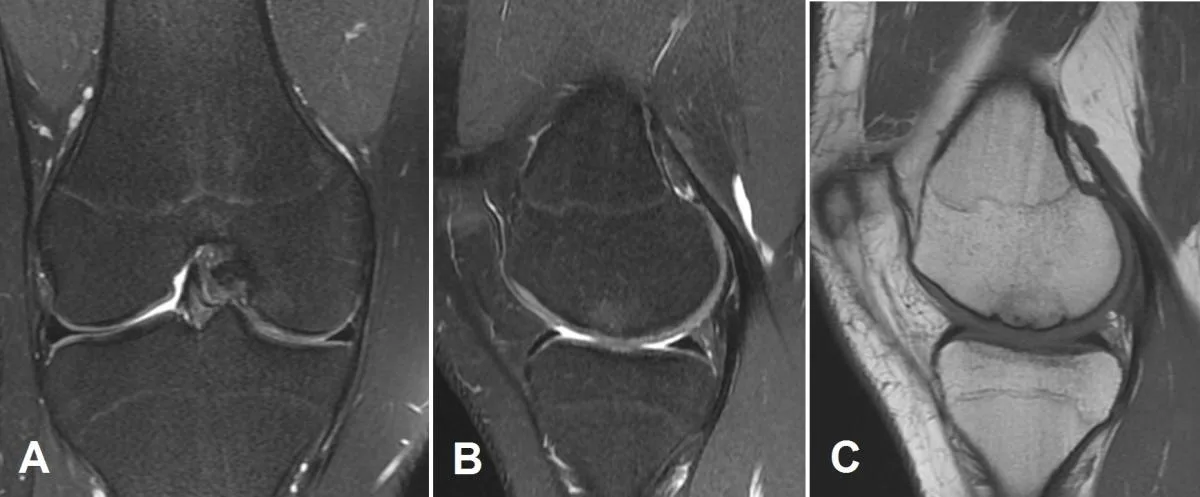
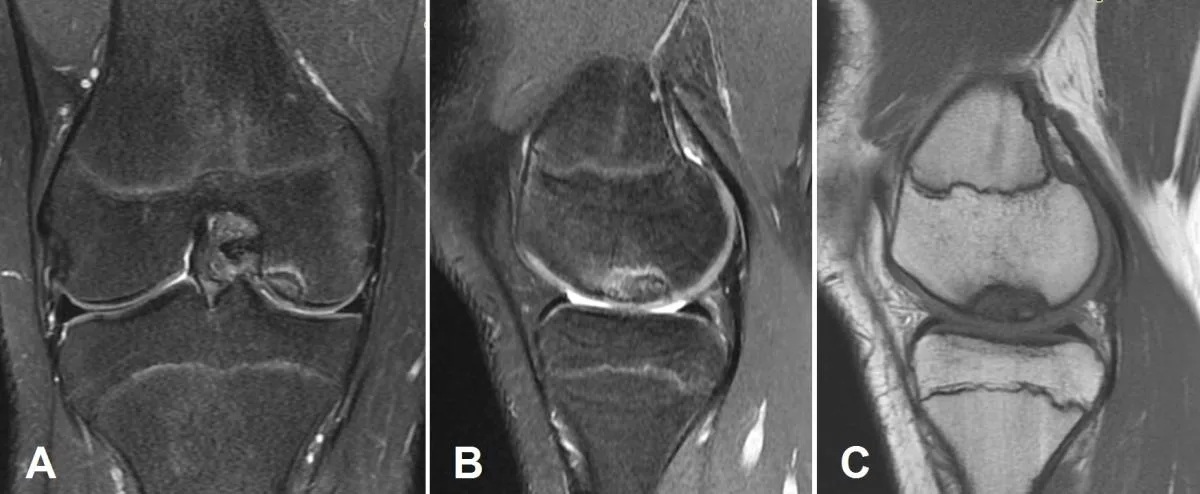
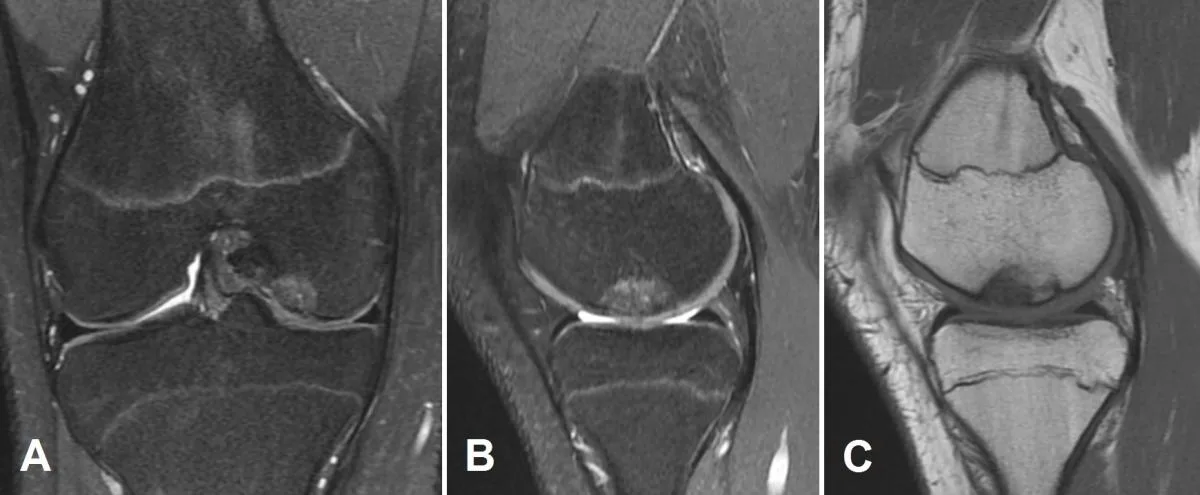
Cartilage Lesions
PRP is being investigated both as a stand-alone injection and as an adjunct to certain cartilage restoration procedures.
Changes observed on MRI after treatment should not automatically be interpreted as evidence of regeneration of normal hyaline cartilage.
The role of PRP in true cartilage regeneration remains an active area of research.
Fracture Healing
PRP has also been investigated for fracture healing and nonunion.
At present, the evidence is not strong enough to recommend routine PRP for all acute fractures solely to accelerate bone healing.
Its role in bone healing should therefore be considered investigational or limited to selected clinical circumstances, rather than presented as a general indication.
What Are the Potential Advantages of PRP?
Potential advantages include:
- use of the patient's own blood,
- outpatient administration,
- no routine requirement for hospital admission,
- low risk of allergic reaction to a foreign biological product,
- and the possibility of providing a nonsurgical treatment option for selected patients.
What Are the Risks of PRP?
PRP is generally considered a relatively low-risk procedure.
Possible complications include:
- pain at the injection site,
- temporary swelling,
- bruising,
- bleeding,
- infection,
- and, rarely, injury to nearby nerves or blood vessels.
Sterile technique and accurate injection placement are important in reducing these risks.
When Should PRP Be Avoided or Carefully Considered?
Before PRP treatment, the patient's general health, medications, and the treatment area should be assessed.
The procedure may be inappropriate or postponed in the presence of:
- active infection at the injection site,
- serious systemic infection,
- significant bleeding or coagulation disorders,
- severe platelet abnormalities,
- or active skin infection over the treatment area.
Active malignancy, significant hematological disease, anticoagulant treatment, and other major systemic illnesses require individualized assessment.
Patients should never discontinue anticoagulant or antiplatelet medication on their own solely because they are planning PRP treatment.
Who May Be a Suitable Candidate for PRP?
The decision should not be based solely on an MRI or X-ray.
Important considerations include:
- accurate diagnosis,
- stage of disease,
- age,
- activity level,
- previous treatments,
- treatment expectations,
- and ability to participate in rehabilitation.
When a patient has major structural damage with a clear indication for surgery, PRP should not be presented as a guaranteed alternative to surgical treatment.
What Should Patients Realistically Expect From PRP?
Realistic expectations are essential.
PRP:
does not work in every patient, does not regenerate every damaged tissue, and cannot replace surgery for every orthopedic condition.
In an appropriate indication, the goals may include:
- reducing pain,
- improving function,
- and supporting rehabilitation.
PRP is best viewed not as a “miracle injection” but as a potential component of an evidence-based orthopedic treatment plan for appropriately selected patients.